Backend developer
APIs, integrations and background jobs that keep working when the systems around them don’t.
- PHP
- Python
- REST APIs
- Webhooks
- Queues
Backend developer Server engineer WordPress engineer Performance engineer Automation builder
I build the backend, run the Linux servers it lives on, and write the tools that keep both healthy. At BrightRays I look after 100+ production websites and apps, end to end.
In a lean team you don’t get to stay in one lane. These are the roles I cover day to day.
APIs, integrations and background jobs that keep working when the systems around them don’t.
Linux servers, web servers and PHP runtimes, sized and tuned so they handle traffic without needing bigger hardware.
Custom plugins, REST endpoints and deep fixes for WordPress running at fleet scale, from page builder to SQL.
Keeping MySQL and MariaDB fast and lean: memory sizing, query and index work, growth control and safe backups.
Core Web Vitals, server response times and caching layers, measured before and after so the gains are real.
Hardening servers and apps, filtering abusive traffic, and owning incidents through to a written root cause.
Monitors, audit tools, CI/CD pipelines and AI agent integrations that replace manual checks and paid tools.
Making sites easy to crawl and index: redirects handled at the server, canonicals, sitemaps and structured data.
Every server I manage goes through the same loop. It’s how 100+ production apps stay fast, safe and boring, in the good way.
A new server starts locked down, not patched later.
Default settings are built for one small site. Shared servers need more care.
I find out about problems before clients do.
Restarting a service buys minutes. Finding the cause stops it coming back.
Releases should be boring for users.
A backup only counts if it restores.
The kinds of trouble I’m usually called in for, and how I handle each one.
Pages take seconds to start loading, admin screens crawl, and server load climbs at peak hours.
Find where the time goes, then fix it at the right layer: worker pools, opcode and database memory, caching, and front-end weight.
Fast responses and calm servers on the same hardware, with no upgrade bill.
White screens, failed saves, gateway timeouts and errors that only happen under real traffic.
Trace the failure through logs, memory use and the data itself until the real cause shows, instead of just raising limits.
The error stops for good, and a check goes in place so the same pattern gets caught elsewhere.
Queries get slower each month, disks fill up and backups take longer and longer.
Audit every database for bloat and missing indexes, size memory properly, and clean up safely after a backup.
Lean, fast databases, with limits in place so they stay that way.
Code copied onto live servers by hand, broken pages mid-deploy, and bugs found by clients first.
Build each release separately, switch over in one atomic step, run health checks, and roll back automatically on failure.
Releases with no user-facing downtime, and a safe way back if anything goes wrong.
Exposed files, brute-force attempts, scanners hammering the site, and missing security headers.
Harden access, block exploit paths and junk traffic at the web server, and add security headers across every site.
Smaller attack surface, and bad traffic stopped before it costs a single PHP request.
People checking sites by hand, copying backups, and paying for tools that only do part of the job.
Turn the routine into scheduled jobs, monitors and small internal apps the team can rely on.
Hours back every week, fewer missed issues and lower subscription costs.
Wasted crawl budget, redirect chains, duplicate pages and poor Core Web Vitals.
Handle redirects and dead URLs at the server, fix canonicals and sitemaps, add structured data and improve speed.
Sites that are faster to crawl, cleaner to index and better for real visitors.
When a job comes up every week, I build something so nobody has to do it by hand again.
Tracks Lighthouse scores and real-user Core Web Vitals for groups of websites on a schedule, and keeps the full history so slowdowns show up as trends.
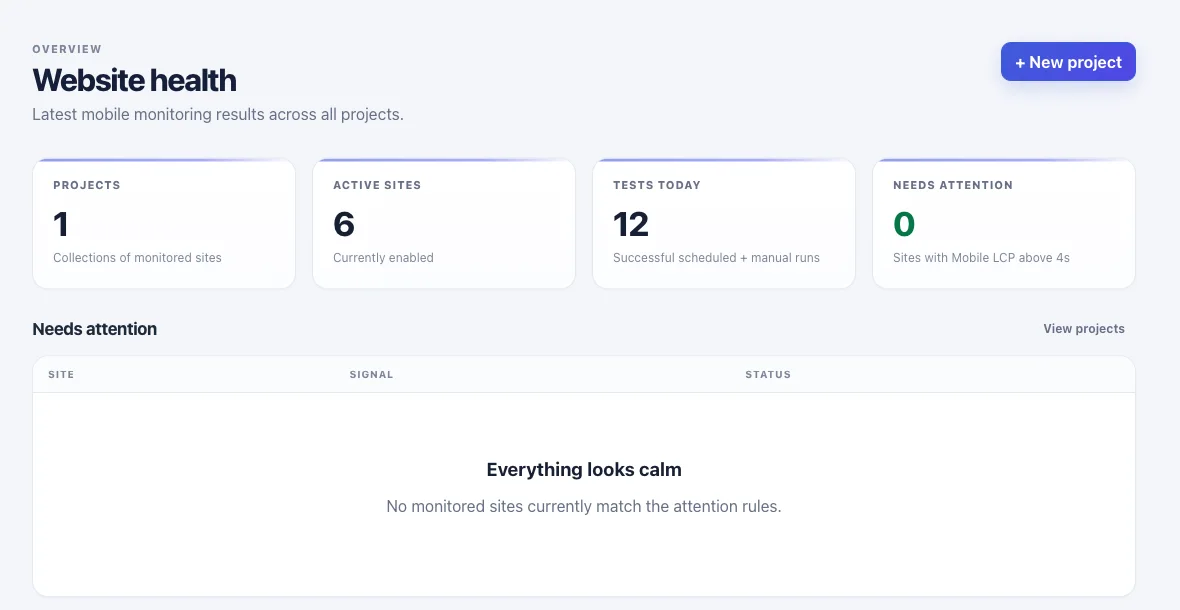
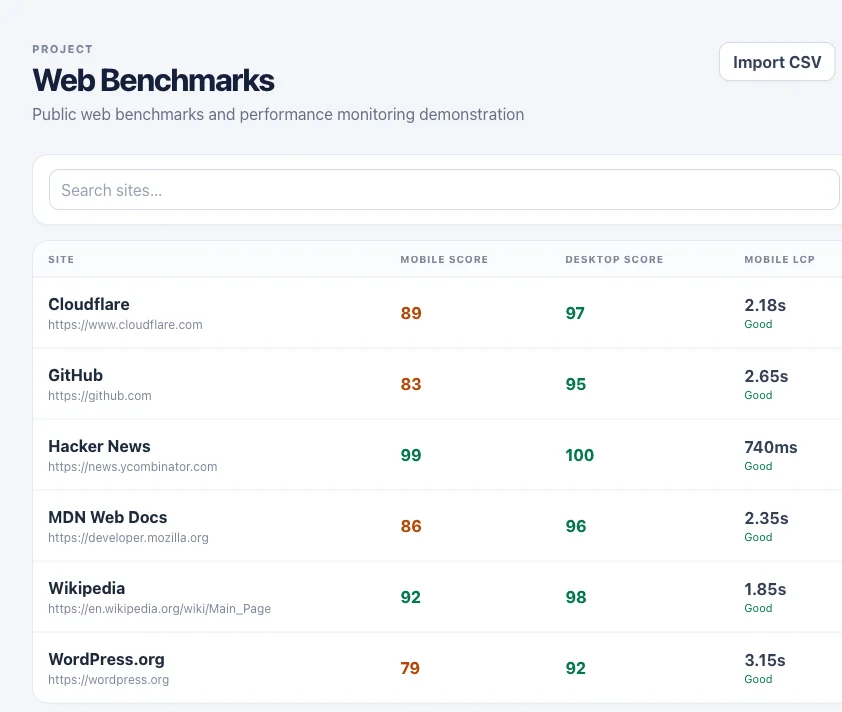
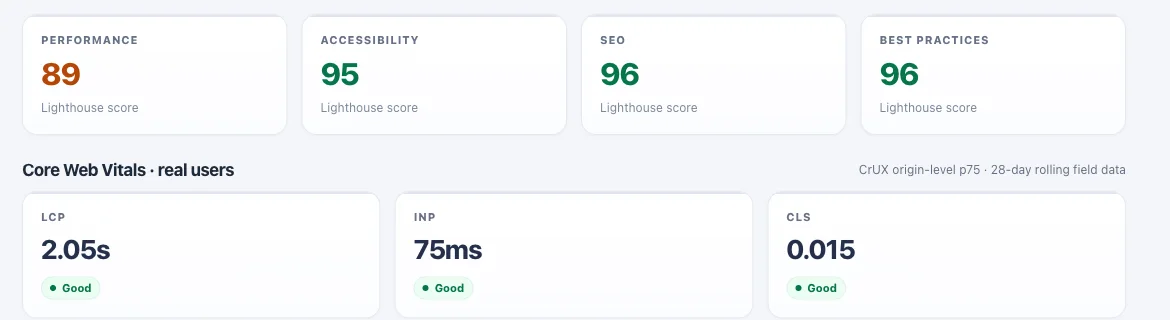
A serverless monitoring system that checks uptime, SSL expiry, response codes and server health across the whole fleet, and alerts the team within a minute of trouble.
Scans every database on a server for bloat, oversized tables, orphaned data and fragmentation, then cleans up safely in batches without downtime.
A web app the editorial team uses to check posts before they go live. It gives each post a score and a clear list of fixes.
Servers that let AI coding assistants work with real engineering data safely, so they can run performance audits and coordinate changes across sites.
I pick the tool that fits the problem. These are the ones I reach for most.
Backend services, APIs, WordPress plugins and internal web apps in PHP, Python and TypeScript.
Linux servers, web servers, PHP runtimes, databases, caching, backups and deployments.
Speed, security, crawlability and automation, measured before and after.
I’m open to backend, full stack and server engineering roles, remote or in Delhi NCR.